Author: admin

  • Napken Lake Chronicles: Discovering Napken Lake.

    Napken Lake Chronicles: Discovering Napken Lake.

    Late Summer 2014. Discovering Napken Lake.

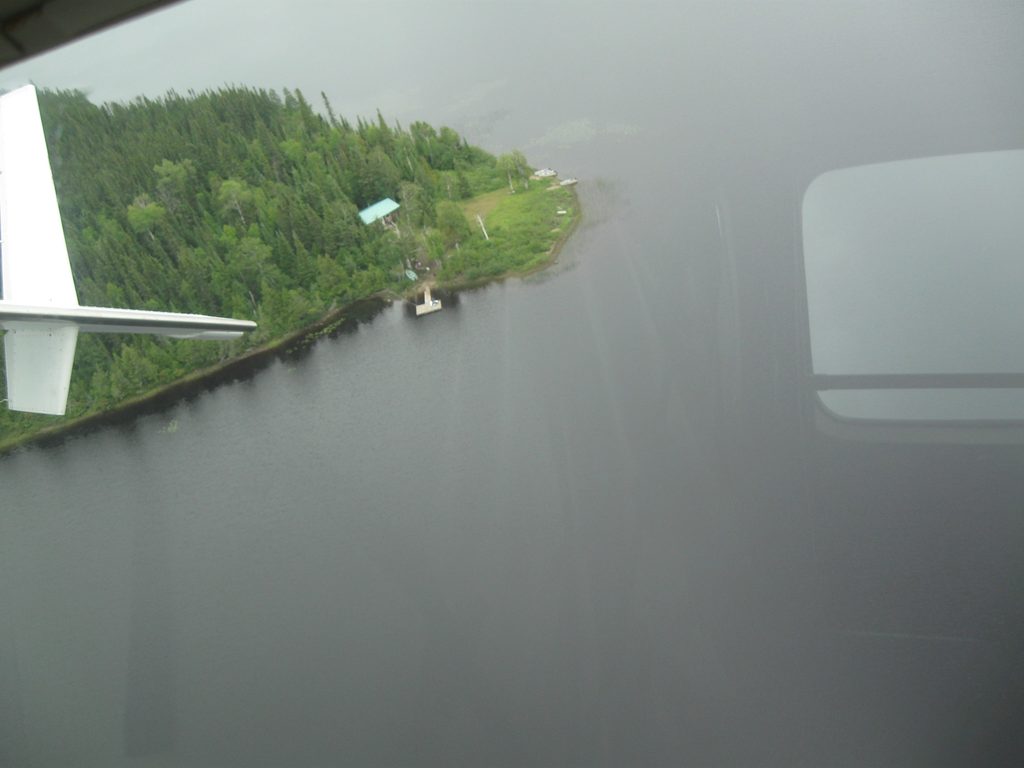
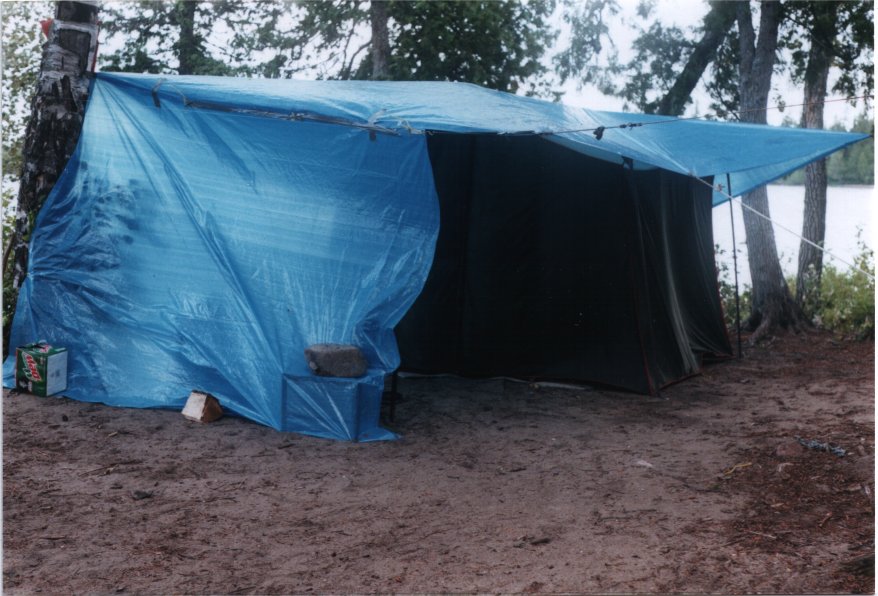
    Another remote Canada fishing adventure! I had just completed my first flight in a floatplane and was standing on the dock at Napken Lake looking into the clearing at a real log cabin that promised considerably more comfort and protection from the elements than a 12 x 12 sheet of plastic that had served us so well in earlier days.

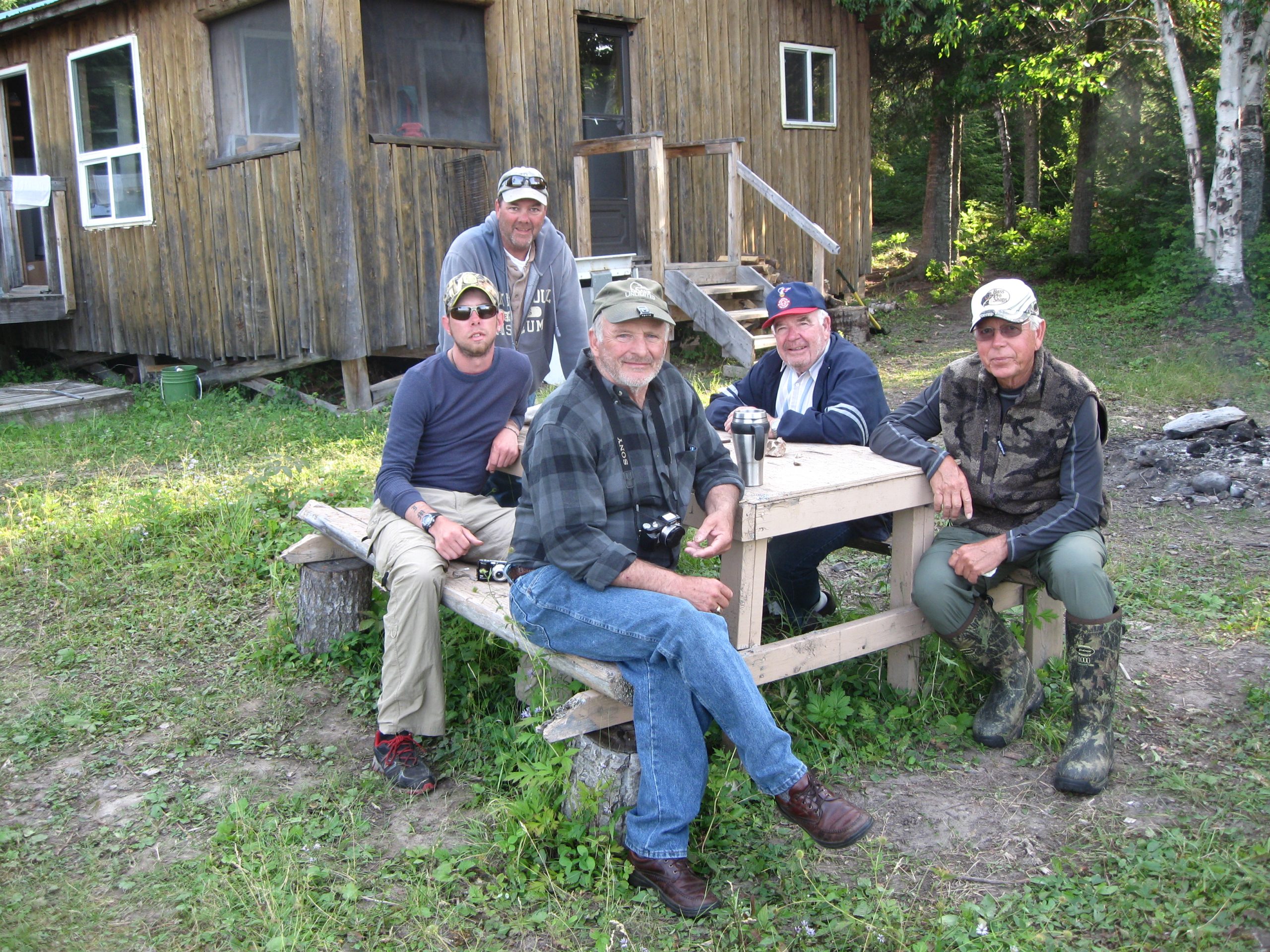
    On this first outpost camping and wilderness adventure to Napken Lake there were 6 hardy souls. Uncle Larry, George, Bruce, Mark, Bob and myself.

    The weather was cool. After all, it was late August and this far north it wasn’t unexpected.
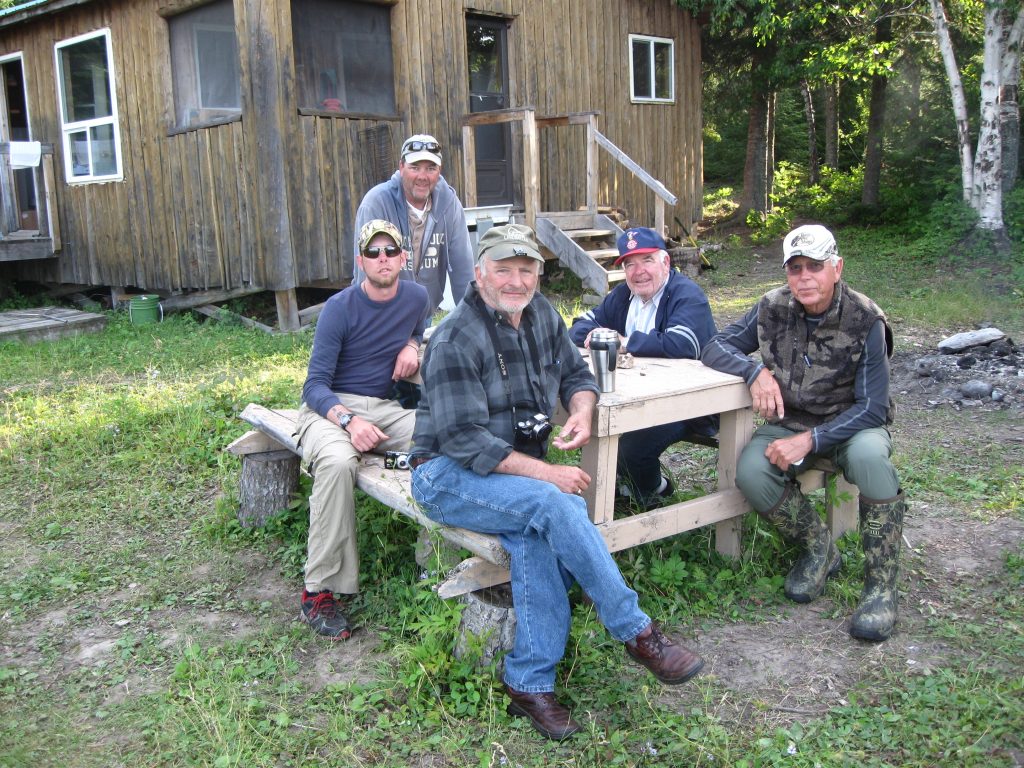
    Preparing for our Ontario fishing experience

    After unloading the plane and stowing our gear in the cabin, we split some firewood since it promised to be a chilly night.

    All of that took about an hour, but it seemed like a lot longer. I was excited to get out on the lake and see what I could find.

    So, the fishing gear was set up, the boats checked out and we were off.

    My partner in the boat was Mark. He was a young guy in his 20’s and this was his first Canadian fishing trip. He was an avid fisherman and was looking forward to trying his skills in a new environment.

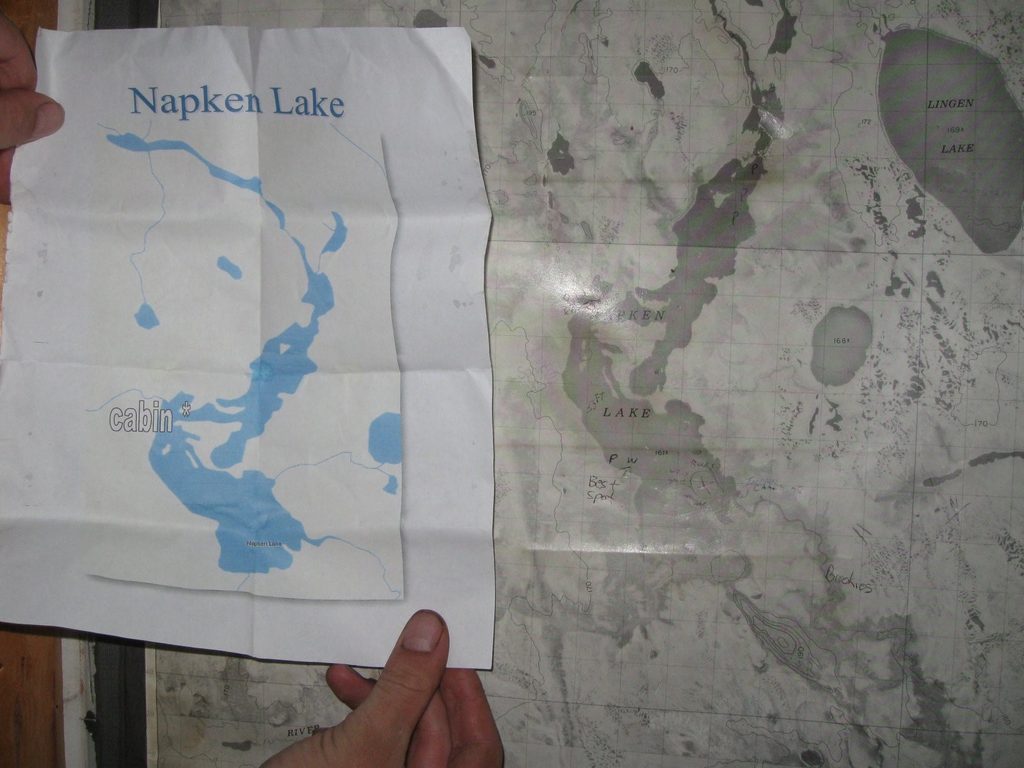
    We had looked at the map and decided that north was the direction we wanted to go.

    Discovering Napken Lake – Learning the Landmarks

    About a 10-minute ride from camp, you enter the main part of the lake and an enticing bay opens up on the left, so we took the left turn to see what might be down there.

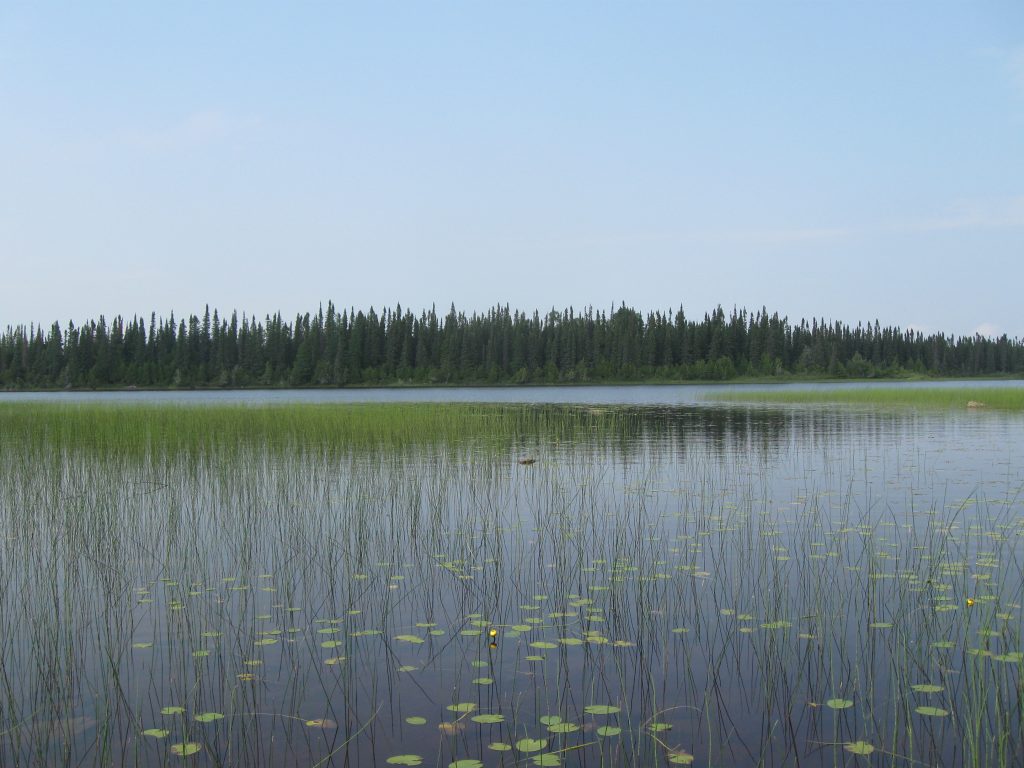
    The bay slowly turned more shallow and we began to see pike weeds poking up toward the surface. Towards the far end there was a beaver house on the right, and everywhere we looked appeared to be a great place to scratch our itch and start fishing.
    It may be worthwhile to note that a majority of people come to these lakes looking for walleye. They are fun to catch and very tasty on the dinner table. However, this far north they do not get as large as more ‘southern’ walleye, with the largest we’ve ever caught in this lake being 25 inches. (Still, that’s a pretty nice fish).

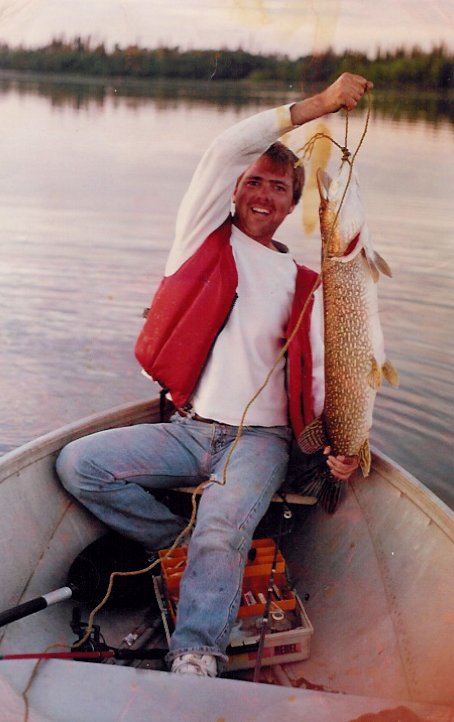
    I prefer fishing for trophy northern pike. A trophy pike is usually regarded as one that is 40 inches in length or greater. At this length they can easily reach 20 pounds, and for each inch longer the pounds skyrocket.

    Northern pike are known for their voracious appetite, their willingness to hit just about anything that swims in front of them, and their exciting and sometimes wild fighting ability. That’s why I enjoy searching them out. It’s the thrill of finding and catching the big girls that gets my adrenaline flowing.

    Let the Fishing Experience Begin!
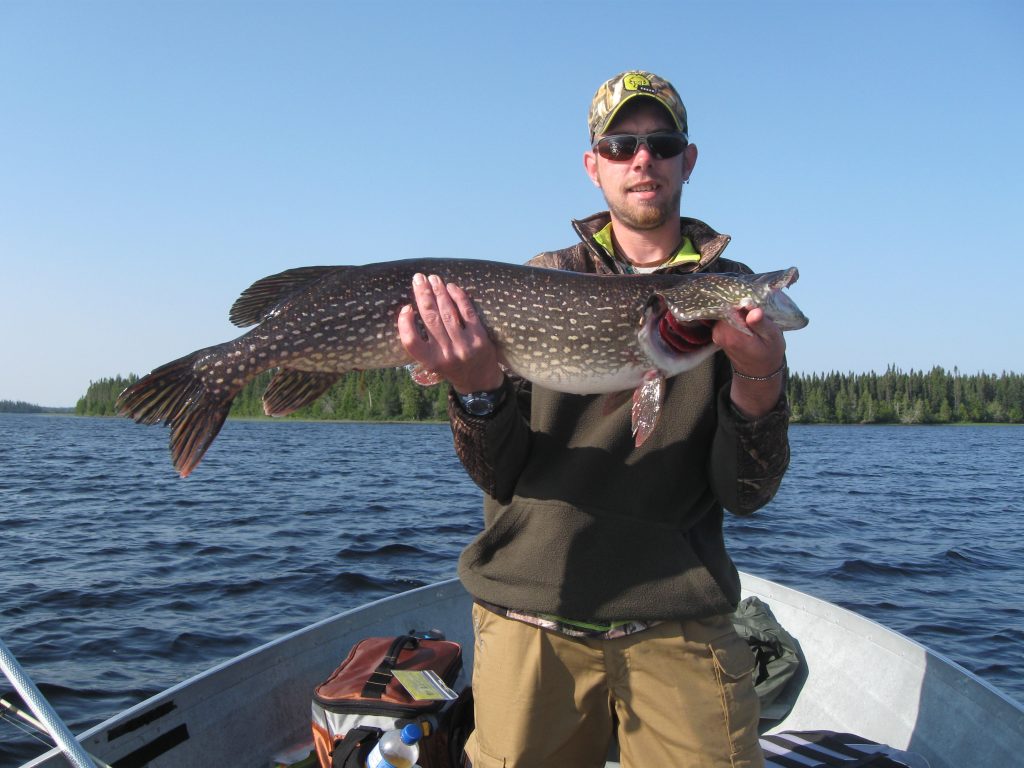
    Tracking down the trophy-sized pike is a lesson in patience, especially on unfamiliar water like this. Since this was our first day here, and we were getting a late start, we had just found what looked like a good place to begin.

    On this lake, in just about any weedy spot, you can catch the little ones without even trying very hard. What I consider little can be as small as 8 inches up to the mid-20 inches in length. They are practically everywhere, and catching a few of these was the perfect way for us to get started.

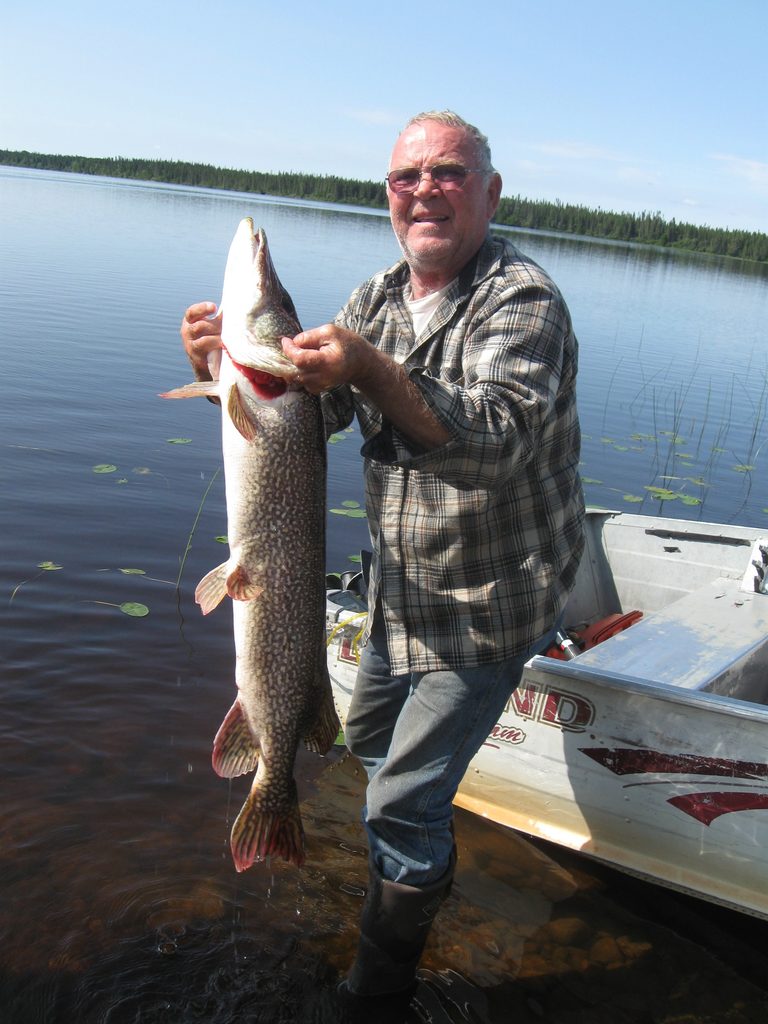
    Over the next few days, all of us managed to catch lots of fish. The walleye guys did great and kept the food on the table, and everyone managed to catch several pike in the high 30-inch range. My personal best on this trip was 39 inches – a truly nice fish and one of several that I caught between 36 and 39 inches.

    The largest fish caught by the group was 43 inches – Uncle Larry pulled off this feat, and the fish was a monster. As usually happens, it was caught just a couple of minutes down from the camp.
    My favorite memory of this trip came on the last full day.

    Once again, I was with Mark, and for reasons known only to God and the fish, he hadn’t caught anything that would qualify as a big fish. So, I decided I would focus on driving the boat and seeing if we could get him into something that would be worth bragging about.

    Towards the end of that day, we were at the far northern end of the lake talking about the tremendous day he had just experienced.

    Mark’s Last Day Fishing Experience on Napken Lake

    Over the course of that one day, Mark caught 7 pike that ranged from 37 to 39 inches in length, and numerous ones smaller. That’s what I would call a successful day. But we weren’t done yet.
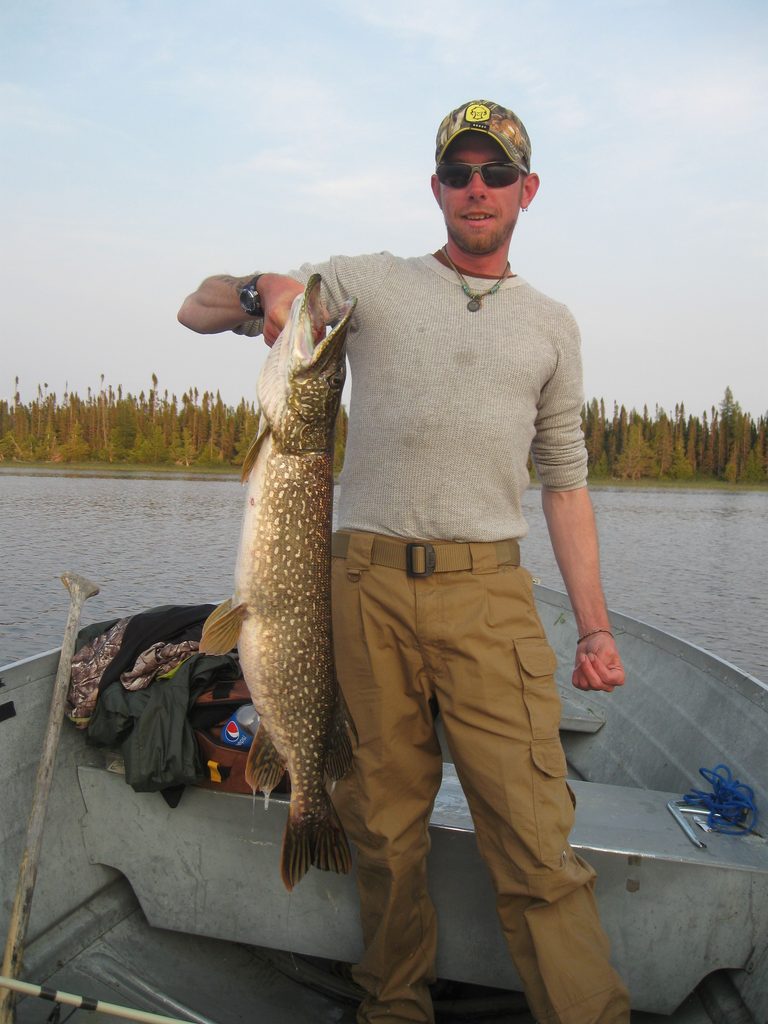
    The northern end of the lake quickly grows narrow through a short channel – maybe 50 yards wide and 150 yards long. On the eastern bank sits a beaver house and on the west are shallow weeds. Between the beaver house and the weeds is a sharp drop-off that goes approximately 14–16 feet deep.

    We decided this was probably the best spot we had seen all day since any fish that wanted to go from one end of the lake to the other had to pass through this short channel. All we needed to do was sit there and (hopefully) catch them, and more importantly, we were hoping there might be a monster pike in there thinking the same thing and waiting on its dinner.

    As we drifted along, Mark spotted her first – she was lurking in the weeds, just lying below the surface. He sent a short cast in her direction but got snarled up in the weeds, so I plopped a spinner right in front of her and suddenly the fight was on.

    Both of us were shouting – this was a trophy fish, our guess was 45 to 50 inches. She took off like a bolt of lightning heading for deeper water and the southern part of the lake with the drag screaming on the reel. After a fun workout, I finally had her to the boat and Mark was just about to grab the net (although we weren’t sure if our net was going to do a lot of good – this was a BIG fish) when she decided she wasn’t done and dove straight down from the boat.

    That was all it took – in that instant she threw the hook and was gone. Mark and I just stared at each other. We were frustrated at having lost such a nice fish, but we were excited to have at least gotten a good look at her. At least we had a good story about the one that got away!

    This channel would provide at least one more ‘monster’ story in the following years and could always be counted on to give up some truly nice fish.

    Of course, it wasn’t always that easy – I have since found that when the fish turn on in that channel it is an amazing place, but when they aren’t ‘on’ it can be tough to catch a cold. It all seems to depend on the weather and the time of day – rain, wind – there is a certain hour to be there. Sunny and warm, you need to be there at a totally different time. (What, you thought I might actually share those times?)

    Discovering Napken Lake made for a truly remarkable and memorable Ontario fishing experience.
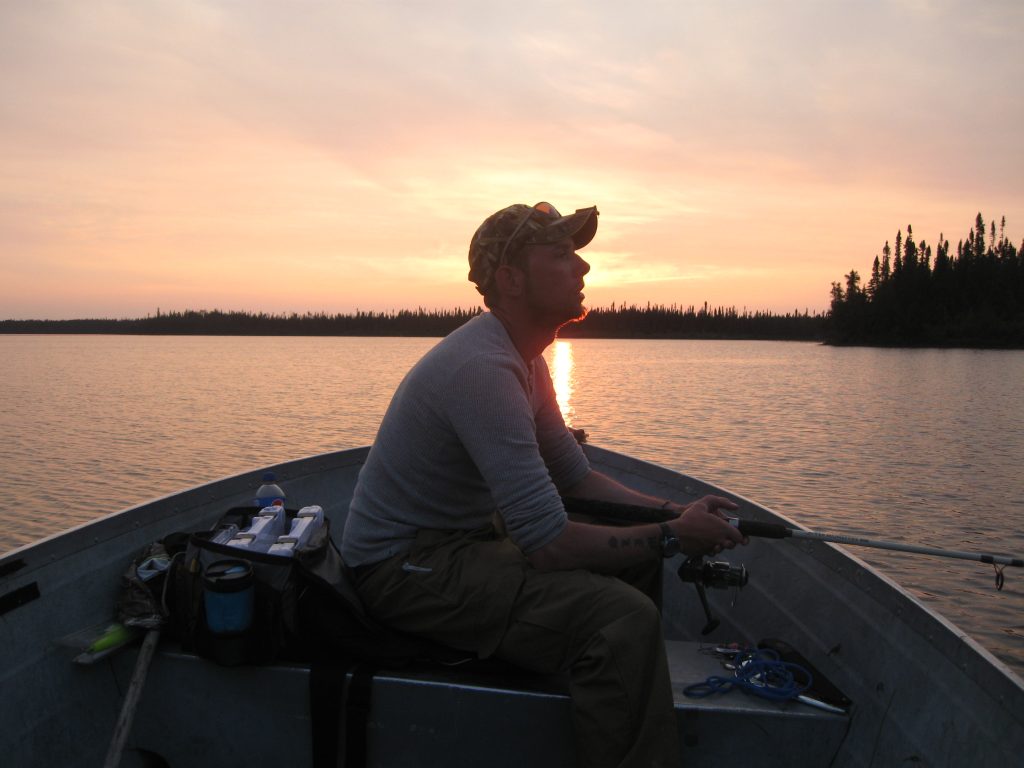
    As we flew out, we began making plans to come back the following year, and we did. (Minus Mark.)

    More to come…

    Rod

    P.S. In case you missed it – read about how we got here in this post –
    First Fly-In: A Journey to Remember

  • First Fly-In: A Journey to Remember

    This is an account of one of my most vivid memories — my first fly-in fishing trip in a float plane!

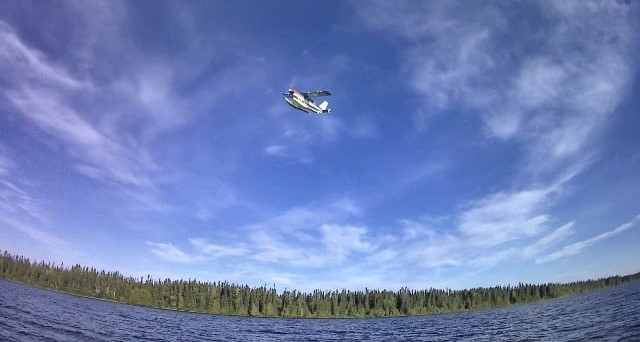
    Many times on previous trips I would be sitting in a canoe and see a float plane buzz overhead on its way to a destination I could only dream about. For me, that would be the ultimate trip, going to a remote lake where I could experience the thrill of being one of a select group each year to fish its waters.

    After having spent many summers as a young lad portaging through bug-infested forest, the idea of simply climbing into an airplane and landing on a faraway lake was very appealing.

    I don’t mean to imply that doing the portage thing is second rate, it was always a fun and rewarding experience, but I mainly wanted to fish and the quicker I could get on the lake the better.

    It was the fall of 2013.

    Due to other responsibilities (raising a family) I had not been to Canada in several years. I was itching for an opportunity to get north when out of the blue my uncle asked if I would be interested in a fly-in fishing trip the following summer to a remote outpost in northern Ontario to do a little fishing.

    Before I go any further, I should try and describe my Uncle Larry. He is truly one of a kind — hard working, a sharp sense of humor and most of the time he is a delight to be around.

    He has inherited the outdoor spirit from his father just as I had from mine.

    For many years he has used an outfitter in Hearst, Ont. (Hearst Air) to satisfy his moose hunting urge and occasional fishing trip.

    Uncle Larry had booked a fishing trip for late August 2014 for 7 days on Napken Lake, and the best part of all was it was a fly-in fishing trip and would become a journey to remember!

    Finally, I was going to get a chance to ride in a real bush plane and to say that I was excited is an understatement.

    Now I just had to wait about 10 months for the big day.

    In order to be as prepared as possible for my first fly-in fishing trip, I scoured the internet looking for photos and maps of Napken Lake.

    At the time, there wasn’t very much information on this lake and Google Maps became my friend. I was able to locate one very brief trip report but it didn’t go into any details about the camp or the fishing.

    I studied the map and tried to find locations that might hold fish but, as I was to discover, there is no substitute for actually being on the lake and seeing it in person.

    Napken Lake is a shallow body of water. The deepest is a small depression that is marked on the map in the cabin as being approximately 40 feet deep.

    There is a river mouth at the north end and in times of higher water the river is navigable all the way to a small chain of lakes at the top, although the last 100 yards before entering the next lake is very shallow and the boats need to be pulled through.

    If the water is low, a canoe and portage is really the only way up there.

    There is quite a bit of shoreline on the opposite side of the lake from the cabin that is quite rocky, so care must be taken while operating a boat in these areas.

    It’s not a “go fast” lake.

    The “journey to remember” began early in the morning on a Wednesday.

    There were six of us, and all of our gear was stowed in the truck and we jumped in ready to get on the road.

    The route we took had us taking I-80 out of Pa. into Ohio, then catching I-75 North through Michigan and crossing the border at Sault Ste. Marie.

    Shortly into Canada we found a motel for the night.

    Resuming our trip the next morning we skirted Lake Superior, turned right towards Hornepayne, then onwards to Highway 11 and into Hearst.

    Arriving Thursday afternoon, we found our motel, ran out to the airbase to get the time for the flight in the morning, ate supper and hung around the motel until it was time to sleep.

    Early the next morning we made the short drive to the airbase and everyone was ready for a 6:30 flight to our remote fishing destination.

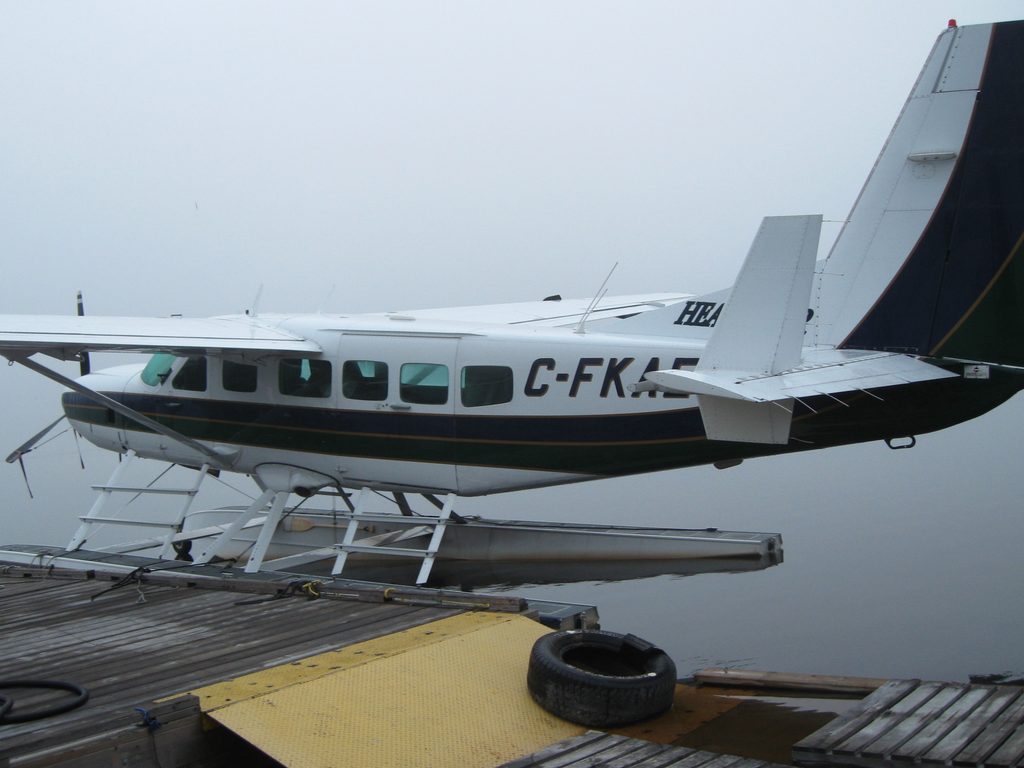
    Unfortunately the weather was a bit foggy, so we loaded the Cessna Caravan with our gear and then waited for the fog to lift.

    Somewhere around 10 a.m. we finally got the word to go.

    This was the moment I was waiting for and I paid attention to every detail hoping to never forget a thing about this trip.

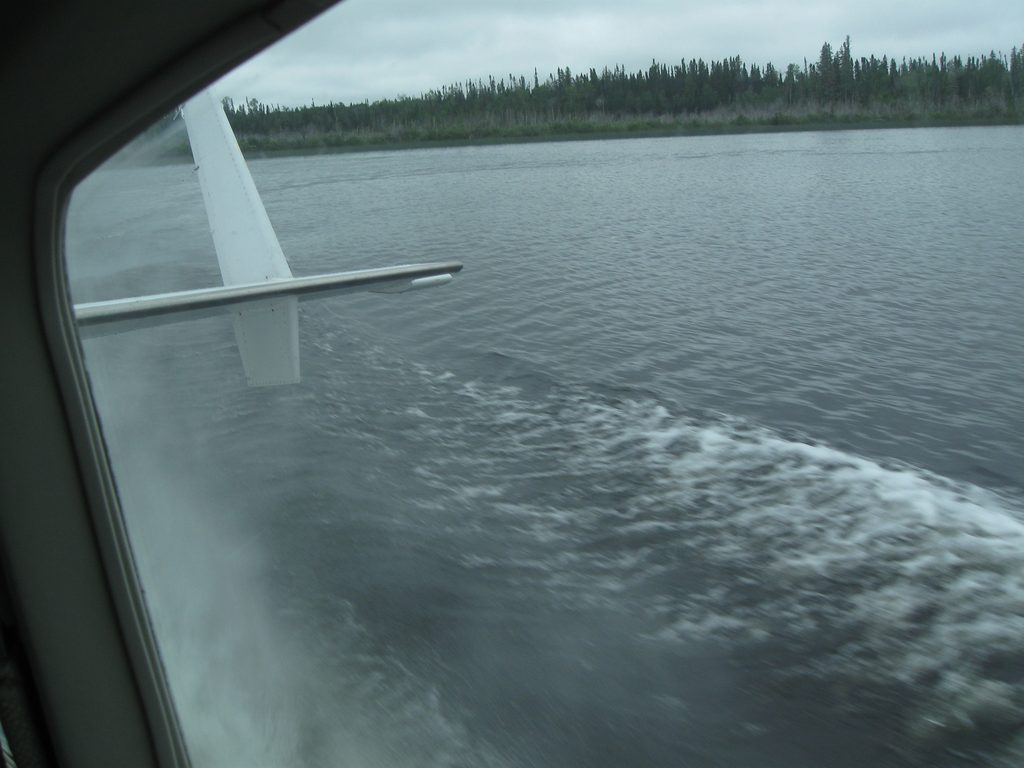
    Taxiing on the lake we turned into the wind and started our run.

    I was mesmerized watching the water spray from the floats and in an instant she had broken free of the water and was now a true flying machine.

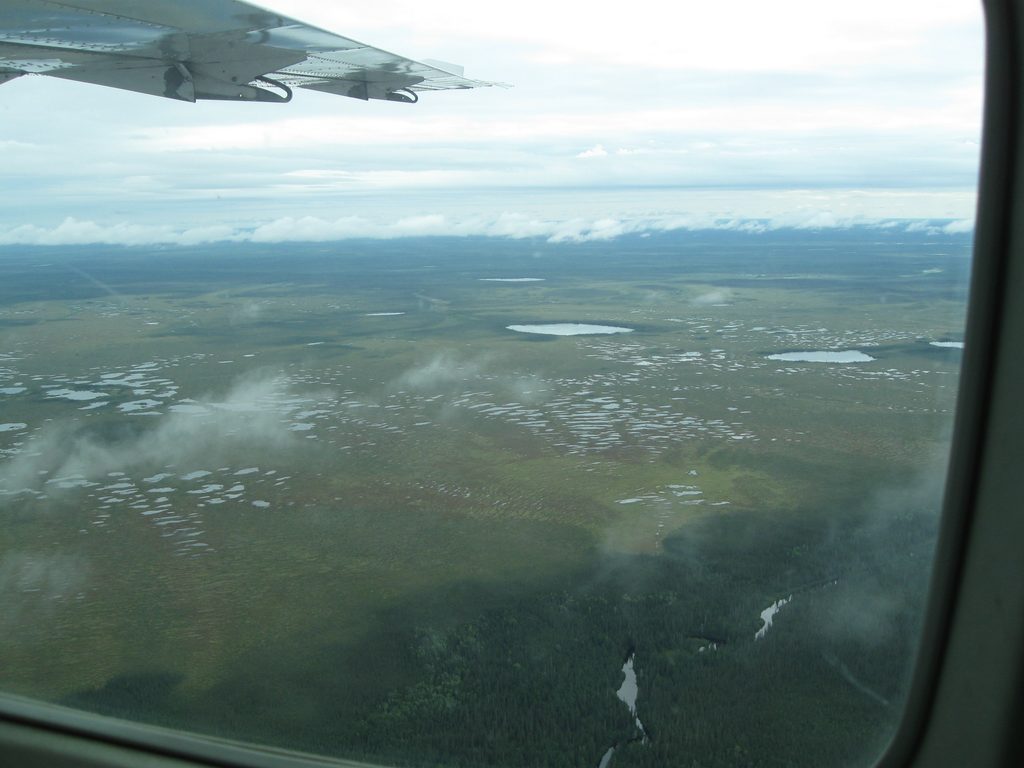
    Within 15 minutes we had left all traces of civilization behind, nothing but forest, marsh, bog and lakes.

    There is a certain feeling of smallness flying over such a vast wilderness.

    The flight was somewhere around 90 minutes, give or take 10 minutes.

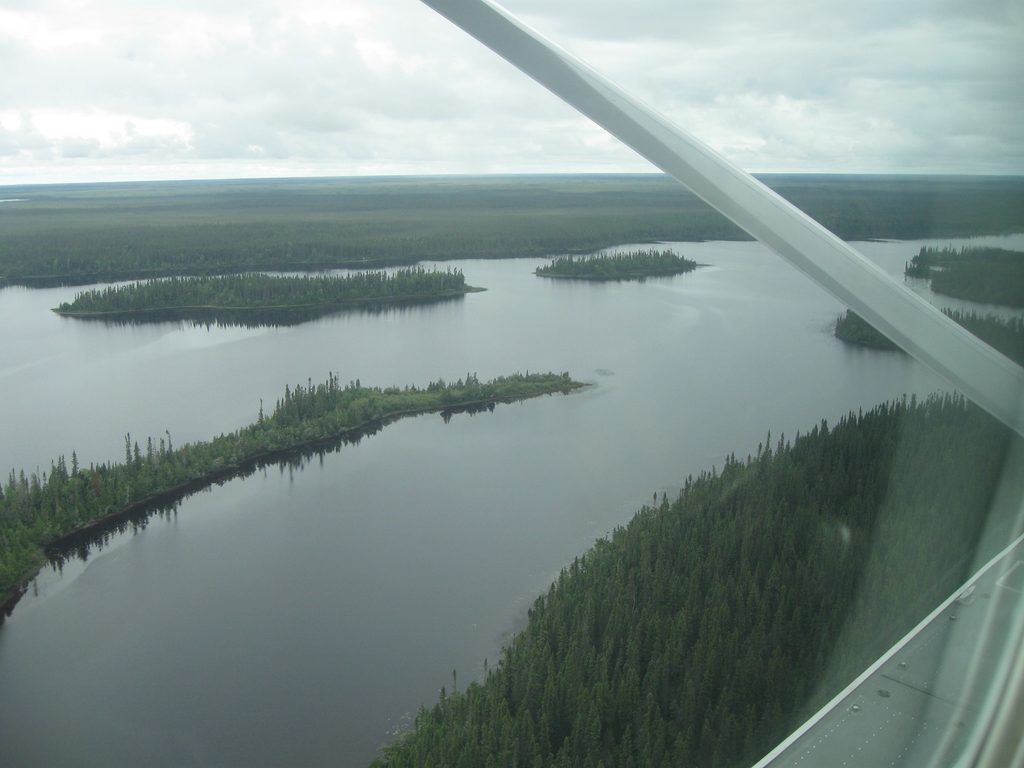
    As we slowly dropped in altitude I had my first view of Napken Lake.

    As we circled prior to landing, the whole vista was stretched before us and I thought that there was no way I would be able to get a good understanding of this lake in only 7 days.

    Then we touched down and as we taxied to the dock I was a little disappointed that the flight was over, but I knew that in 7 short days we would get a chance to ride her back out.

    In the meantime there was a lake to explore and fish to catch …

  • Where It All Began

    I am using this as a “memory repository” to hold my favorite recollections of past fishing and camping trips to Canada. That’s all this is at the moment.

    I do encourage you to look around and read an article or two if you are interested in the ramblings of someone who is rapidly approaching the age where memories can sometimes fail.

    Maybe you’ll find something here that triggers a camping memory of your own, or possibly inspires you to share your own camping stories.

    As a lot of authors do — I’ll start at the beginning.

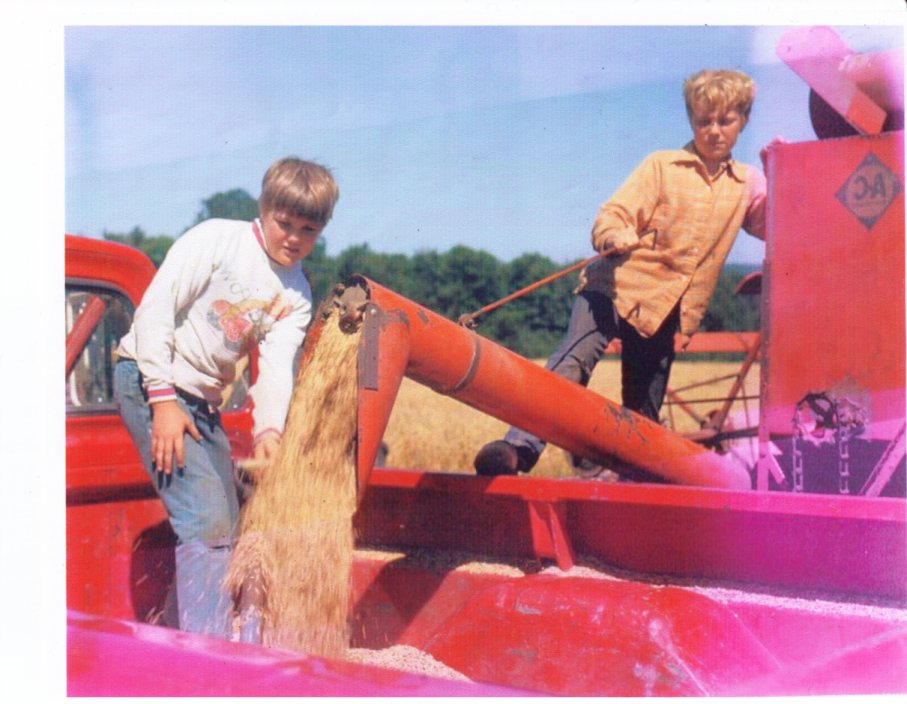
    I grew up on a farm in NW Pa. with two brothers. We didn’t always have a lot of free time, but when we did you could usually find us climbing trees, playing in the woods, camping out and just doing what young boys do.

    Our father was a very unique individual and he believed in the traditional things from his generation, mainly hard work and clean living. He was a lover of the outdoors and he knew every plant that was edible, he excelled at hunting and trapping and he truly enjoyed the serenity of camping in the wild.

    He had been indoctrinated into the Canadian wilds as a youngster with many camping and fishing trips north with his family, and later he became an avid moose hunter.

    So, it was only natural that he wanted to show his boys what he loved so much.

    To fully understand what these trips were like, it’s important to know that my dad was a believer in traveling and camping light.

    Usually, included in the packs would be a box or two of Bisquick which could be used for many things — pancakes, fish batter, biscuits (who would have thought!) — and if I really tried hard, I imagine I could actually remember some of this stuff all cooked up and used for bait.

    Another staple in the camping supplies would be brown sugar and butter. This would become the “syrup” for our pancakes. Generous amounts of melted butter with brown sugar mixed in made a wonderful topping.

    Of course there would be a fry pan, some small aluminum spoons, forks and plates (one each) and a box of waterproofed matches. All of the rest of the food would be either caught, captured, or picked from the environment.

    As for camping equipment, we would each have a sleeping bag encased in a plastic garbage bag to keep it dry during the portage into the lake(s), and there would be a single large piece of heavy black plastic which would serve as our “tent.”

    This “tent” could easily be folded into a square of maybe 9 or 10 inches per side, so it wasn’t terribly extravagant.

    Perhaps a couple of short pieces of rope, and of course an ax that was sharp enough to shave with.

    Finally, our fishing gear.

    Again, this was “minimalist” at its finest. What worked for sunfish back home also worked for the bigger things that we would sometimes get a hold of up in the north.

    A few shiny spoons, and a few rusty bare hooks for the occasional worm or leech. Of course the rods were the least expensive available at the local Murphy’s store and the reels were proudly made by Zebco and had been passed down from generation to generation.

    Usually the line that was spooled into these reels was the very same line that they had come with many years before.

    The clothing consisted of what we wore on the way up plus an extra set for the inevitable drenching we all would take at one time or another.

    Rain gear was another plastic garbage bag with holes cut for the arms and duct tape to keep it from flopping around on a skinny young lad.

    Pretty much anything one needs to survive can be made or fixed with garbage bags and duct tape.

    All of this would be packed into several “pack baskets.”

    For those of you who know what a pack basket is, then you can skip the description. For those of you who don’t, try to imagine filling a large box with camping equipment and tying it across your back.

    Pack baskets were just that, except instead of light cardboard that would fall apart when it got wet the first time, they were made with a million woven strips of heavier wood which wouldn’t actually fall apart until they had gotten wet two or three times.

    They also didn’t last terribly long if they were set too close to the fire and then forgotten about.

    However, they did encourage the building of strong muscles in young boys and could even improvise as a camp chair (and I’ve seen them fitted with a toilet seat as well. Use your imagination.)

    The water transportation consisted of one or two aluminum Smoker-craft canoes with a square stern.

    The square stern allowed for our only luxury — small (think tiny — 3 or 4 hp.) outboard motors that would usually start somewhere around the 953rd pull of the rope and propel you across the lake only slightly slower than the massive swarm of mosquitoes and black flies that were always chasing you.

    All of this stuff was loaded into or on an old Suburban and then we would crawl in and prepare ourselves for the mind-numbing drive ahead.

    Some trips were shorter and some longer depending on the destination, but I’ll leave that for another time…

    Rod

  • On the Rocks — A True Story

    You never know when an event is going to happen that can change your life. This was one of those times.

    It was the summer of 1988 and this trip included my father and two friends, Gene and Dick, along with myself.

    The four of us set out in the afternoon and planned on driving through the night and arriving at Cochrane, Ontario sometime the next morning, where we would purchase our fishing licences and camping permits. My father and I would share the driving so we all would at least be able to get a little sleep.

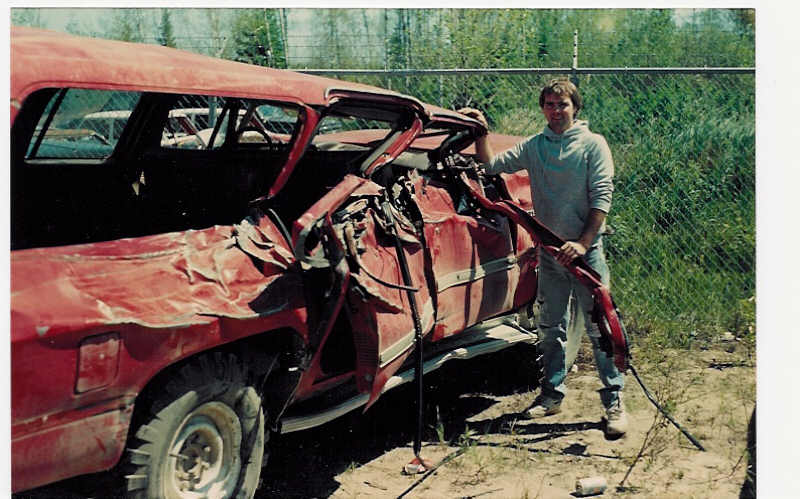
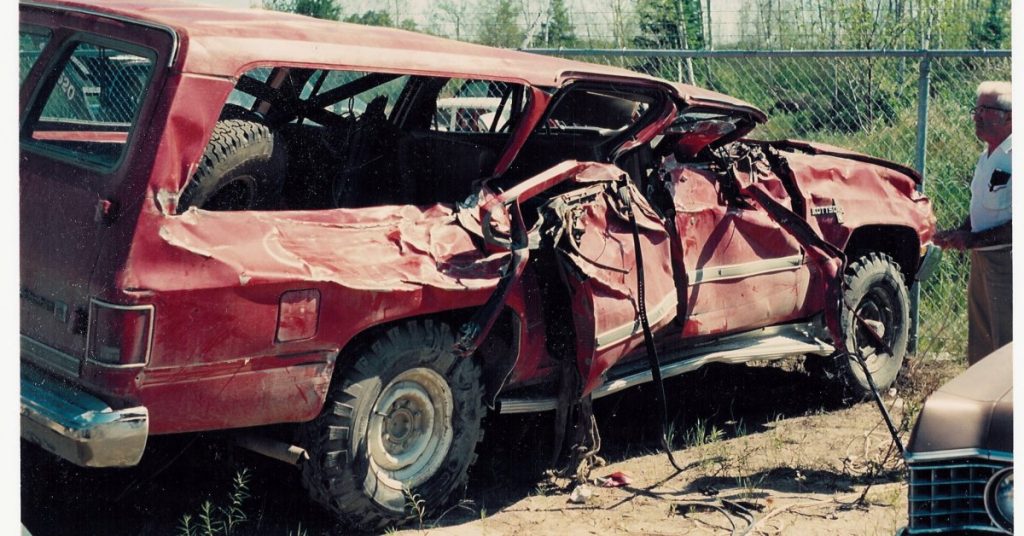
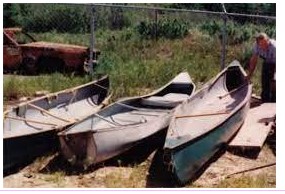
    The GMC Suburban was loaded and stacked with three canoes on the top. Two canoes were made of a Kevlar-carbon fiber type material and one was an aluminum canoe with a square stern for the small outboard. I was the pilot for the first half of the drive.

    For some reason I was having trouble keeping the truck pointed straight down the road. It seemed to wander a lot and it was a bit of a handful, especially when being passed by another vehicle.

    Somewhere between the border and Toronto I decided to pull over for a quick break. While we were stopped, I mentioned that the truck wasn’t handling very well and my father said it was probably the wind blowing and that I wasn’t used to having three canoes on top.

    He asked if I wanted him to drive and I gladly said yes — after all, it was his truck and I figured if there was something wrong he would notice it right away.

    So onward we went.

    It was around 5 a.m. The first stars were just beginning to fade. I had been snoozing with my head propped against the door window. I do remember going through North Bay, and as we left the city I decided to remove my seat belt and lay down on my half of the front seat.

    This would prove to be the best decision I had ever made in my young life.

    Somewhere approximately 30 miles north of North Bay I heard Gene in the back seat yell, “LOOK OUT!” and I felt the truck drop off the road onto the shoulder.

    Everything that happened from this point on took only seconds — my immediate thought was that a moose had jumped into our path and my dad had initiated evasive maneuvers.

    For whatever reason, I made the decision in that split second to stay down, right where I was. Again, this was a life-saving moment.

    In the next nanosecond, we hit something. Hard. And with a tremendous bang.

    My world was immediately thrown into a rolling, smashing cacophony of noise and collision. My next thought was, “Oh, this sounds bad, we’re probably not going to be driving away from this,” and one other thought came to me — “OK, I’m still alive, I’m still alive.”

    Then nothing.

    The next thing I remember was opening my eyes and hearing my dad asking me if I was all right. I was flat on my belly, looking out a window (no glass left, of course) towards the highway.

    There was a weight on my back and I realized it was my dad, hanging from his seat belt.

    I realized we were upside down at that moment.

    Sitting on the road was a tractor-trailer and the driver was just getting back into his cab. I saw him say something into his CB radio and then incredibly, and before I had the sense to shout to him, he drove off!

    After spending a few seconds making sure I could move my fingers and toes, I told my dad that I thought I was OK. While he shouted for a response from the other two guys, I wiggled through the window and stood up.

    Dick, who had been sitting directly behind me and was fortunately lying down as well, responded that he thought he might have a back injury since he couldn’t feel his legs.

    Gene, who was behind the driver, didn’t respond.

    My father managed to work his way out through the same window and we quickly checked each other over for any obvious life-threatening injuries which may have been masked by the adrenaline.

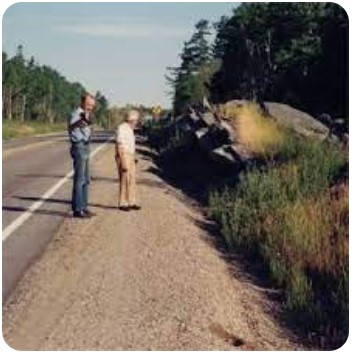
    Finding none, we jumped into action and tried to open the back door which was facing the road. The other side of the truck was pinned tightly against the rocks and couldn’t be accessed.

    It took quite an effort, but we got the door open enough to access Gene, and as soon as we did he became conscious and in a panic started thrashing and screaming, “Get me out!”

    His head was covered in blood and as we attempted to lift him through the door he went into convulsions which lasted maybe 15 seconds but felt like an hour.

    We managed to get him to the side of the road and propped him up among the rocks. My dad told me to stay with him and do what I could while he checked on Dick.

    When Gene came around again, he noticed all of the blood and asked where it was coming from. It was apparent that a lot of it was coming out of his ears and he specifically asked about that.

    I told him he had a cut on his ears — I didn’t want to tell him it was coming from inside of them.

    Meanwhile, my father was making Dick comfortable. He was still inside the truck but didn’t appear to be hurt other than the horrible feeling of not being able to move his legs. Because of this, we left him right where he was and made sure that we didn’t move him in any way.

    Up to this point, perhaps 15 minutes had passed. Probably more like five, but it’s hard to estimate time during experiences like this.

    Suddenly a car appeared, slowed down and stopped.

    A feeling of relief at the possibility of help for our two injured friends went through me.

    There were four young ladies in the car and as they got out one of them ran over and said to me, “We’re nurses on holiday, how can we help?”

    Whoa.

    If you ever are waiting for help and the first people that come along are trained to help in exactly the way you need — let’s just say I was overwhelmed.

    I immediately pointed to Gene, who appeared to have the injuries that needed attention right away. A couple of the nurses went to him and the others went to Dick.

    I kind of went away at that point — trying to collect my thoughts and settle down a bit — when suddenly, heading in the direction of North Bay, came an ambulance.

    What?

    I knew that there was no way an ambulance could be here this quickly, plus it was heading into North Bay, not out in our direction.

    As it turns out, there had been an accident a few miles further on and this was an extra, empty ambulance returning to its station.

    Pretty good timing.

    The paramedics and nurses (we had a bunch of them running around by now) did their thing, loaded us all into the ambulance — I got to ride in the front seat — turned on the siren and started making tracks towards the North Bay hospital.

    After the dust settled — everyone survived.

    Gene was in intensive care for two weeks with internal injuries, but he made a full recovery.

    Dick had broken part of a vertebra, but once the shock to his spinal cord wore off he was fine and he also made a complete recovery.

    My dad had no injuries at all.

    I had a nasty cut on one of my fingers (no problem), and once we got to the hospital I started to freeze up. Every muscle in my body screamed when I moved. Just blinking my eyes hurt (well, a little anyway).

    I had pulled and strained and bruised just about every part there is that can be pulled, strained or bruised.

    Also — I had a serious neck injury with three ruptured discs. Ouch.

    I had no way to tell at the time how much pain this injury was causing because I was in pain everywhere and couldn’t isolate any particular spot. So, with a neck brace and some aspirin, I was released.

    I’ve lived with this injury over the years and most days are fine, but there are times when it can be a real “pain in the neck.”

    Needless to say, the fishing part of the trip never happened. We stayed in North Bay for a few days, until my brothers came up to get us and our things.

    The aftermath: One of the things to note, this happened on Highway 11, which is the main route north once you get to this point.

    In recent years, there has been considerable effort to make this road safer by widening it and removing the huge jagged rock walls which once bordered the roadway, so these types of accidents are much less likely to occur.

    As it turned out, the cause of the accident was a combination of things. I mentioned the poor handling of the truck and how it seemed to wander on the road.

    Once we inspected the truck, a broken strut was found on the right front wheel and it was evident from the rust on the break that it had occurred sometime in the past and not as a result of the accident.

    Also, my father was probably a bit drowsy and perhaps wasn’t able to react as quickly as he might have. Once we were off the road and in the gravel, it acted like wet snow and pulled us into the rocks.

    Also, and this was a little bit frightening to me — if either me or the passenger directly behind me had been sitting up, we would most likely have been decapitated.

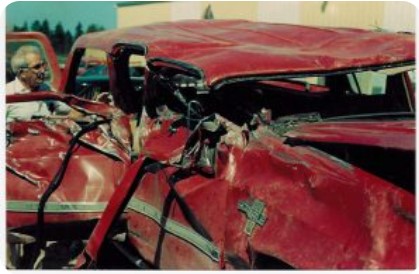
    The first rock ledge we struck was at the level of the truck’s hood and it scraped across the passenger side of the hood, removed the dashboard covering and broke through the roof supports on that side of the truck.

    Then we flipped. a bunch.

    Having laid down only minutes before was miraculous. It was also somewhat of a miracle that I didn’t get tossed out during the wild ride.

    And the final miracle was the quick arrival of all of the medical personnel. My deepest thanks go out to them. I’m pretty certain this quick response saved the life of one of my friends.

    I’m at a loss to explain how all of these things came together at precisely the right time, but although it was a terrible accident I feel fortunate for the way it turned out.

    We tried again the following year and I can happily report that we made it there and back.

    Be safe out there and live for the moment, it can all end in a flash.

    Rod

  • Onward to Ontario

    As we entered the 1970s, our welcome at Roger Lake became less “warm” and the experience began to feel less and less isolated, which was one of the big highlights for these trips. We wanted someplace where there was a minimal chance of meeting up with civilization.

    I’m not sure of the history behind how and when our next destination was found by my family, but the next trip was to Pierre Lake in Ontario.

    Pierre is north-northeast of Cochrane, Ontario and is part of the Little Abitibi Provincial Park and the Little Abitibi River system.

    Much of the drive in consists of logging roads which, at that time, were not much more than a couple of muddy ruts through the bush. It was not a given that once in you would be able to get out, so the weather was always a concern because more than just a little rain could make the road impassable in all but a log skidder.

    In addition, the logging road crossed multiple streams and creeks, some of which had rudimentary bridges and some that did not. Crossing these was always a challenge and in one or two cases it was a bit unnerving, although we never had a bridge collapse under us.

    At the end of the road was the Little Abitibi River. This was where we would put in. In later years there would be a bridge built across the river to allow the gold prospectors to venture further north, but in those first few years this was the middle of the bush and only very hearty (and possibly deranged) souls would have attempted to bring a truck this far.

    Once on the river, heading downstream (north) for a mile or two would bring you into Pierre Lake. We would always stop at the entrance to the lake and, based on the time of day, we would have lunch, dinner, breakfast or maybe just a snack before venturing across the lake.

    I remember a couple of times the lake was just too rough to attempt a crossing, so we would wait it out, sometimes for many hours.

    Pierre Lake connects to a couple of other lakes — Harris and Montreuil — so there was a lot of area to camp, fish and explore. On Pierre, the best camping was found at the northern end of the lake on a point that had a small sandy beach.

    This is a fairly big lake — around 6.5 miles long — so the trip across in a canoe with a small outboard would take somewhere between one and two hours. We would all be itching to get camp set up and try our luck at catching fish.

    There was a spring about 15 minutes by canoe that flowed into the lake and this was where we would get our fresh water. “Fresh” is a relative term. It beat drinking directly out of the lake, but after a couple of days of sitting in the water cooler you could see the mosquito larvae swimming around.

    Although I’m guilty of drinking this stuff straight, it was best to boil it first. Lots of Kool-Aid mix or some cocoa can mask a lot of nasty things. Either way, as kids we didn’t care a lot about drinking and eating anyway. We wanted to explore and have fun — and we did end up living through it all.

    Speaking of mosquitoes, unless you have actually been to some of these out-of-the-way places, you just have no idea what they are like.

    There are four things that I have encountered during my years that couldn’t be expressed properly with words or pictures — you had to actually put your own eyeballs on them to appreciate them.

    The first would be the giant redwood trees on the northwest coast of the U.S.

    The second would have been the WTC towers in NYC (obviously pre-9/11).

    The third is Hoover Dam on the Nevada-Arizona border.

    And the fourth are the mosquitoes in the Canadian bush.

    All of these things are truly awe-inspiring, but only one of them is so perfectly engineered that it can actually drive large mammals insane.

    Head nets, gloves and long sleeves were a necessity. Of course the magnitude of the bug hordes depends a lot on the time of year. At its worst, the only escape is to maneuver to the middle of the lake. This way, only a few of the buggers would make the trip with you, and who knows, there might actually be a fish or two out there to catch.

    About the fishing here — it has been many years since I have been back to this lake system, so I can’t speak for what it is like now, but back then it was pretty good.

    This is where I first broke 40″ on a northern pike, and I was able to do that on more than one occasion. It’s also the place where I lost what could have been the largest fish of my life, although there have been a couple of instances since then in different locations which have competed for this honor.

    Somewhere between Pierre and Harris Lake there lies a monster. I never saw it, but it was the heaviest fish I have ever had on my line, and while it was still several feet down it decided it had had enough, turned and snapped the line.

    The amazing thing was how much the surface of the water boiled when that happened. I knew he was still deep, and to cause that much commotion on the surface when he made the turn still astounds me to this day.

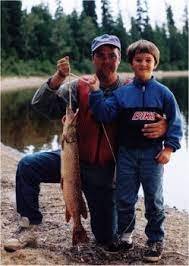
    It’s also the place where I first brought my two children into the Canadian wilderness.

    When my son was 7 years old we made the trip here. Just the two of us. It may have been a little foolish to not bring another adult or two — for the whole trip in the back of my mind I was concerned that if something were to happen to me, how would my boy survive?

    Luckily, he was the most mature 7-year-old I have ever known, and I felt confident that he could handle a canoe and even drive the truck out if he needed to.

    When my daughter was roughly the same age, we brought her along as well. She was incredible and I think she enjoyed it nearly as much as I did. We tried to make it a bit more comfortable for her with an actual porta-potty-type thing and a small shower tent to add a little privacy to the experience.

    Heck, I even used it since it was there.

    Anyway, there were a ton of memories made here and I probably made this trip somewhere around 10 different times, although one year we set out but didn’t quite make it…

    Details on that disaster in another post.

  • Detour Through Quebec

    As I mentioned in an earlier post, my father was indoctrinated to Canada by his father. They had a moose and fishing camp near Moffet, Quebec on Roger Lake.

    Looking at a map of the area now, it appears to show drive-in access to this lake, but in the late 1960s and early 1970s the only access was to portage or fly in.

    There was a small lake that we would camp at that was a short portage from Roger Lake, and as I recall the name of this lake was Deep Lake. Again, looking at a map now, there doesn’t appear to be a lake with that name, so it could have been just a no-name lake that we had given a moniker to.

    Anyway, this lake had a large sandy beach that was great for a campsite. Just off the beach, maybe 25–50 yards into the water, was a huge dome of rock. This became a favorite swimming place, and we of course took advantage of that.

    I have a few memories of actually fishing. This would be the place where I would catch my first northern pike and walleye. I don’t recall ever catching anything very big, but it got me “hooked,” so to speak.

    Facing out towards the water from the beach, the left shore was simply a large wall of rock descending straight down from the edge of the cliffs above. The top of the cliffs provided endless hours of entertainment for us kids, since there were a lot of perfectly sized rocks up there that we felt would be better off if they were actually in the water.

    Lots of big splashes were made. Luckily, the only splashes were from the rocks and not from me or one of my brothers getting a little too close to the edge.

    Between the beach and the cliffs was a medium-sized waterfall flowing into the lake. This water was making its way from Roger Lake, and the portage trail to Roger Lake wound along this small but turbulent river. I would guess that the trail was somewhere in the region of 1,000 meters, but it could have been less (it felt like more).

    Usually we would spend a couple of days at the moose camp on Roger, but most of the time was spent on Deep Lake.

    For me, the best part of the trip was the portage in to Deep Lake. It was a nearly full day pulling the canoes up a creek. The water rarely got more than mid-calf deep. I would lose myself pretending I was Daniel Boone or some other frontier explorer and that I was the first to set eyes on this new territory. I thoroughly enjoyed that.

    About the halfway point up this creek there was a large waterfall. Straight down — my memories tell me that it was a vertical drop of 20–30 feet. Quite spectacular. At the bottom of the falls was a whirlpool and it looked deadly.

    Interestingly, there was a length of rope floating out from this whirlpool, and I remember grabbing it and trying to pull it free. It was anchored firmly. We all took a turn pulling, but we never found out what was at the other end of that rope.

    My imagination suggested a large chest of treasure, so that’s probably what it was.

    Of course this waterfall had to be bypassed. There was a short trail on the right (going upstream) that served this purpose. Once all of the gear was transported around the hazard, we continued on splashing our way up the creek.

    Over the years we made several summer trips to this paradise, and I wish I had pictures. Unfortunately, all of the photographs that I know of perished in a house fire over a decade ago.

    Sometimes it’s almost as good to just use your imagination though, and this way I can make the pictures in my head represent what I remember, not actually how it might have been.

    As a note — my grandfather usually accompanied us on these trips. He was a great man and was truly in his element in these places. He has long since passed on, but every time we are on a fishing trip there are numerous stories of him that are told and retold between us, so in a sense he lives on.

    Thanks for reading.

  • Big Knife, Little Fish

    My first recollection of going to Canada would probably date back to the late 1960s. Actually, this would be a couple of separate trips to the same location, and as best as I can remember, the two trips would have been spread over two consecutive years.

    The location was a lake in Algonquin Provincial Park where a family friend had several cabins. The name of the lake escapes me now, but there was one remarkable feature that I’ll never forget. A single pine tree had grown nearly parallel to the ground and extended for a dozen yards over the lake. This was a perfect opportunity for a young boy to slither out onto the tree and be suspended over the water. Not sure now what the fascination was at the time, but that tree and the fun it represented have stuck with me ever since.

    It’s interesting to look back through the mists of time and think about the scenes we remember of certain places. That tree still remains vivid in my mind.

    There are three other things I remember about those trips.

    The first and foremost is that my father thought I was old enough to have my very own hunting knife. There was a small store not far from the cabin, and they had several selections that I had to choose from. I anxiously pointed to a beauty of a knife with a translucent green handle. It was amazing, and when it hung from my belt I felt like a true outdoorsman.

    I recall the box for the knife mentioned in bold letters that it could cut through nails. This was a big enticement to me even though I couldn’t think of why I would want to cut a nail with a knife. The other thing I recall is that it cost $10. Wow.

    The second thing I remember is that the beds in the cabins were hung from the ceiling! I was told that it was to keep the varmints off of the beds, but I knew that any self-respecting varmint would simply drop from the ceiling onto the bed and a couple of inches of space between the feet of the bed and the floor wouldn’t mean a thing. I didn’t give it any more thought.

    Finally, and this is the most unbelievable part — we only caught ONE (1) fish the whole week. Even though I say “we,” it was my granddad that caught it, but I was in the canoe with him and I helped — at least with moral support.

    This fish was a record-breaking SIX (6) inches long. And it was a bass — not the walleye or pike that I was looking for. My new knife was bigger than this guy. It promptly got tossed back in the lake and we continued fishing, but to no avail. I still shake my head at the thought of this whole thing.

    So this was my introduction to the great Canadian wilderness.

    Stay with me — it gets better…